The gate opened

In March, we asked what the place could hold.

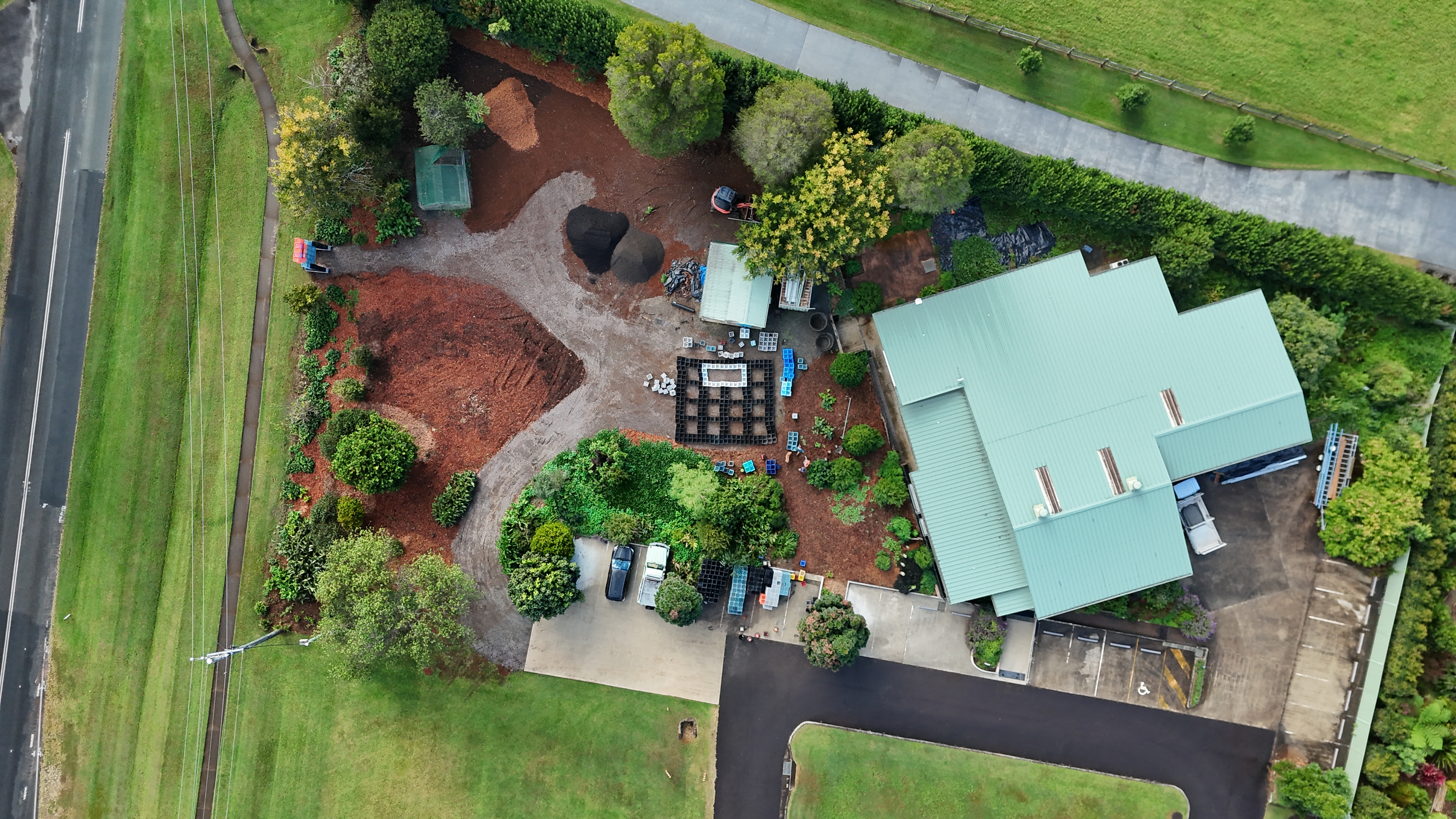
On 20 June, we opened the gate at The Harvest in Witta, on Jinibara Country.

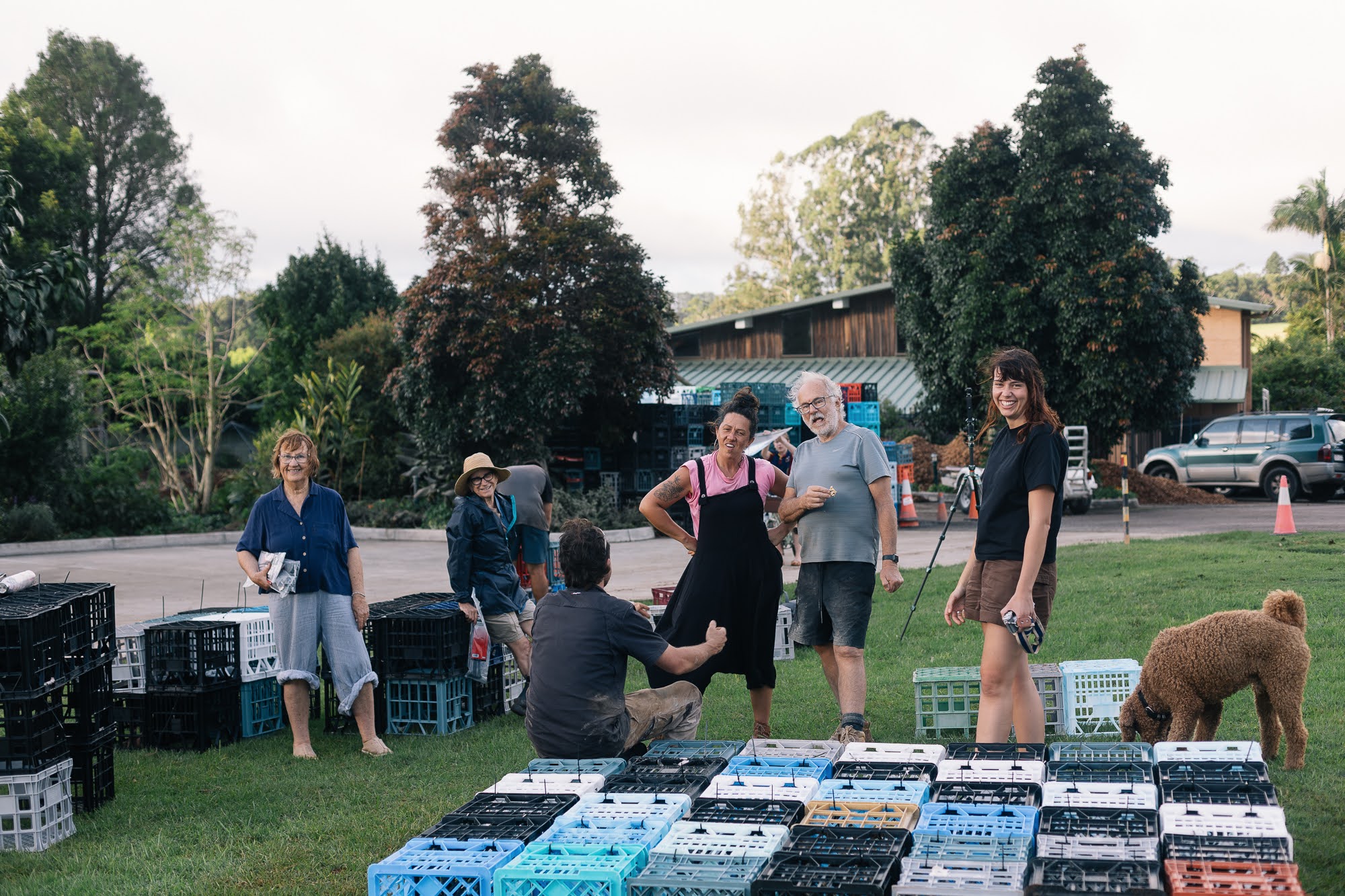
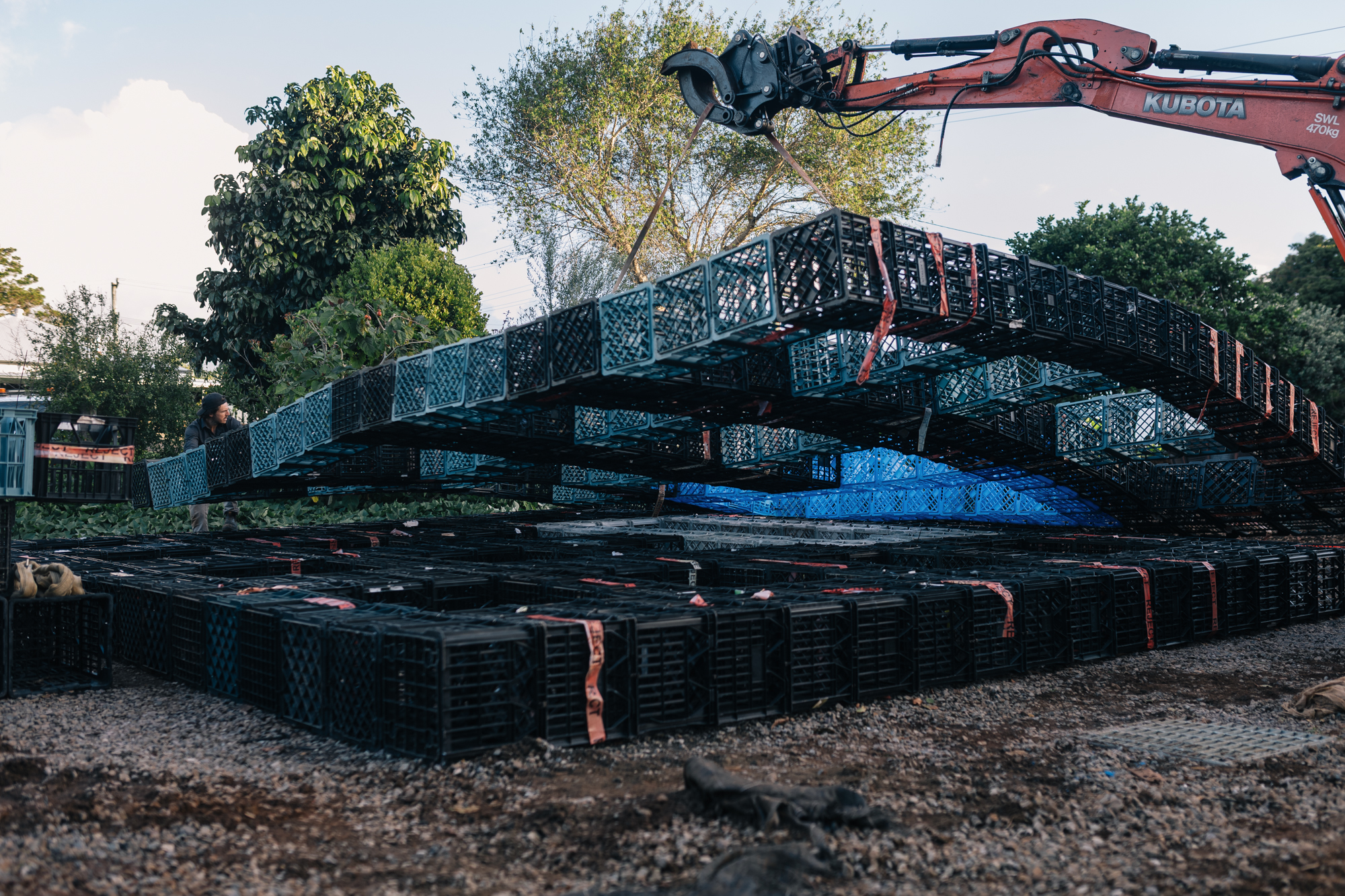
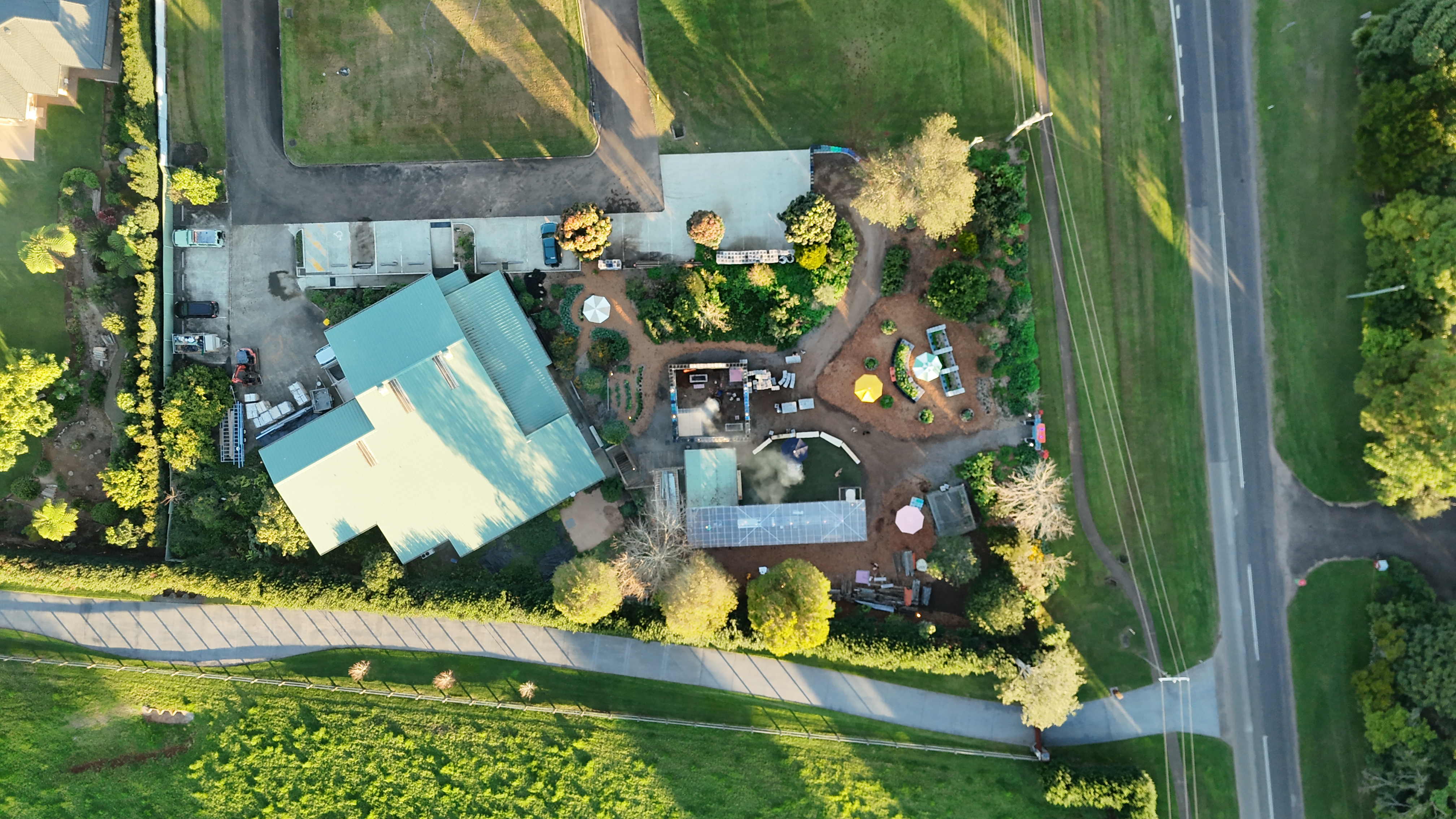
The morning belonged to makers. People walked through the unfinished space, looked at the garden and the milk crate structures, and talked about what they could bring into the place.

A shelf.
A workshop.
A sign.
A meal.
A hand on a tool.
What should happen next here?

The work of Radical Scoops has never been to arrive with one clean answer. It has been to make a form people can enter, use and change.

The milk crates did that first.

Now the whole site is starting to do it.
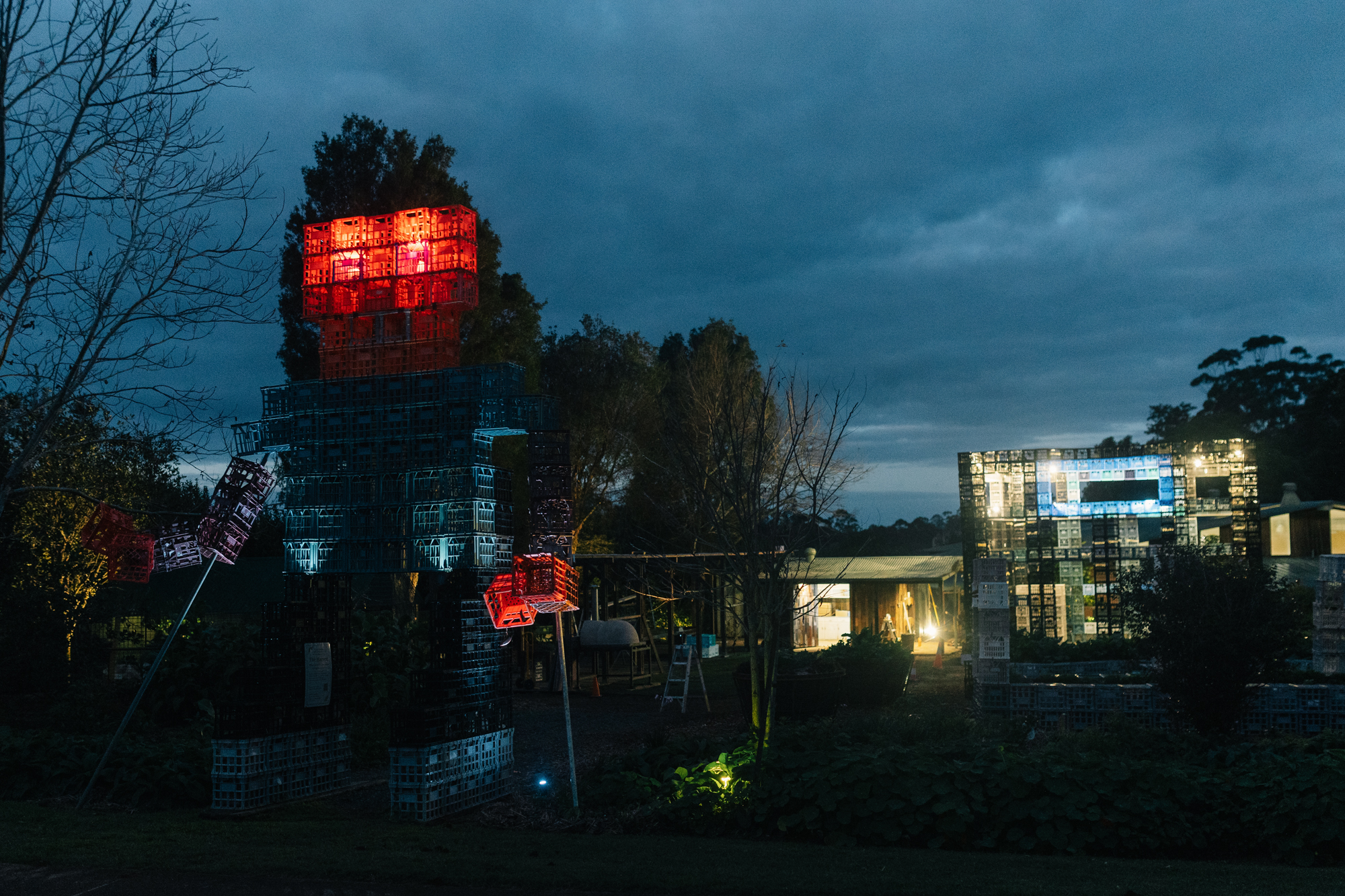
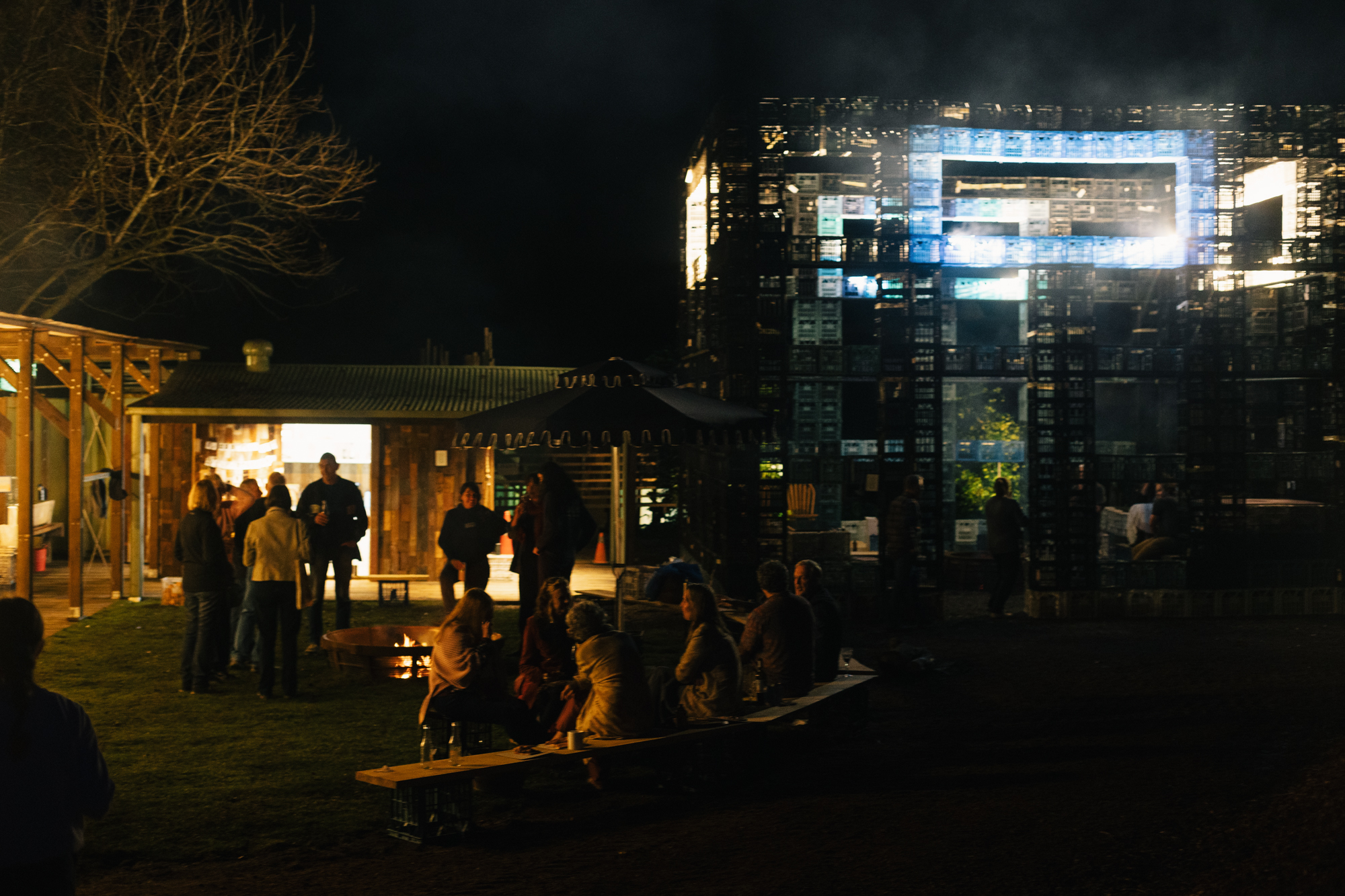
As the light dropped, the fire came on.

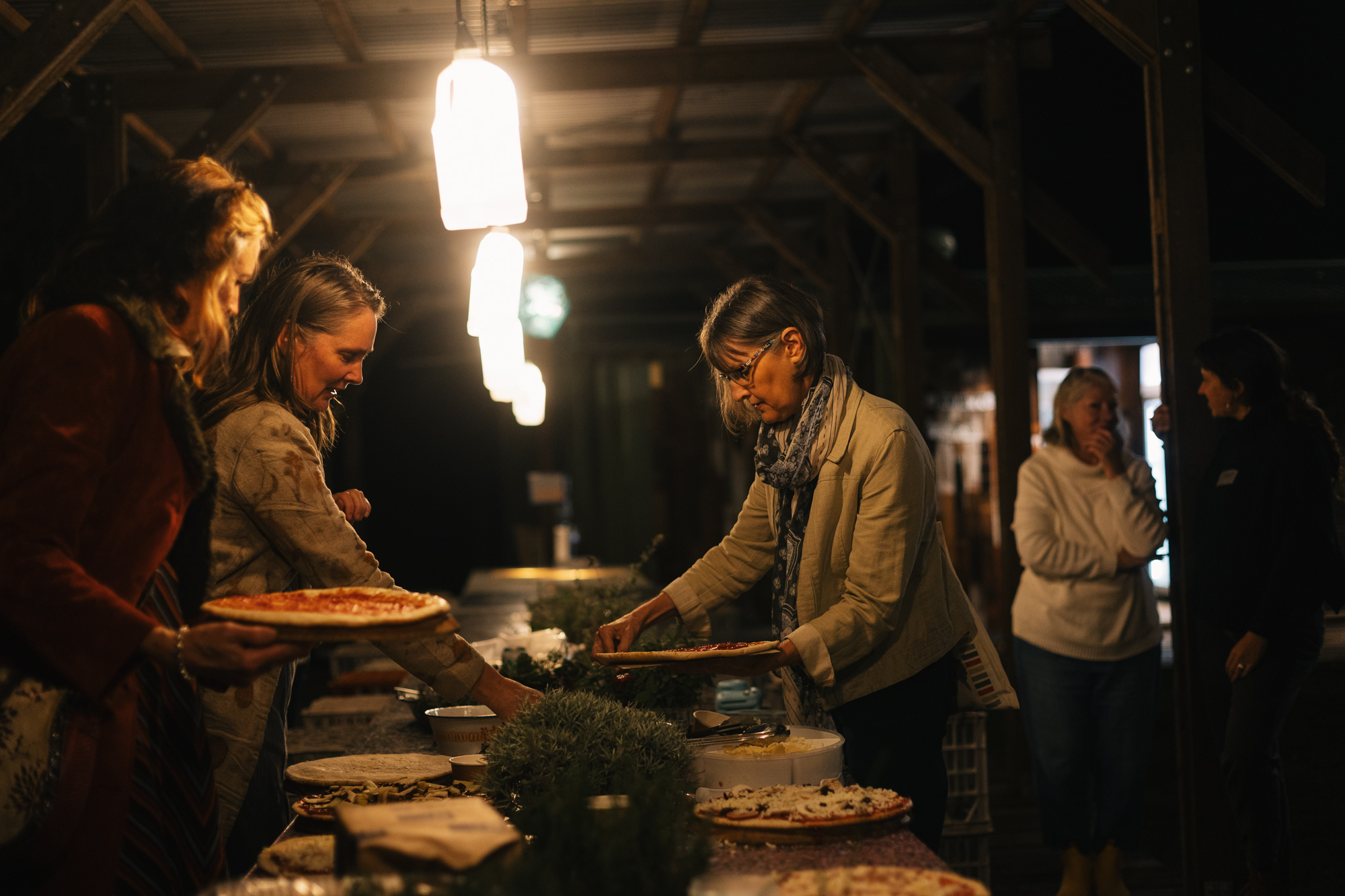
People chose toppings, made pizzas and passed boards across the table. The garden sat behind them. The milk crate pavilion held the edge of the room.

The old nursery was no longer waiting for a future use.

It was being used.
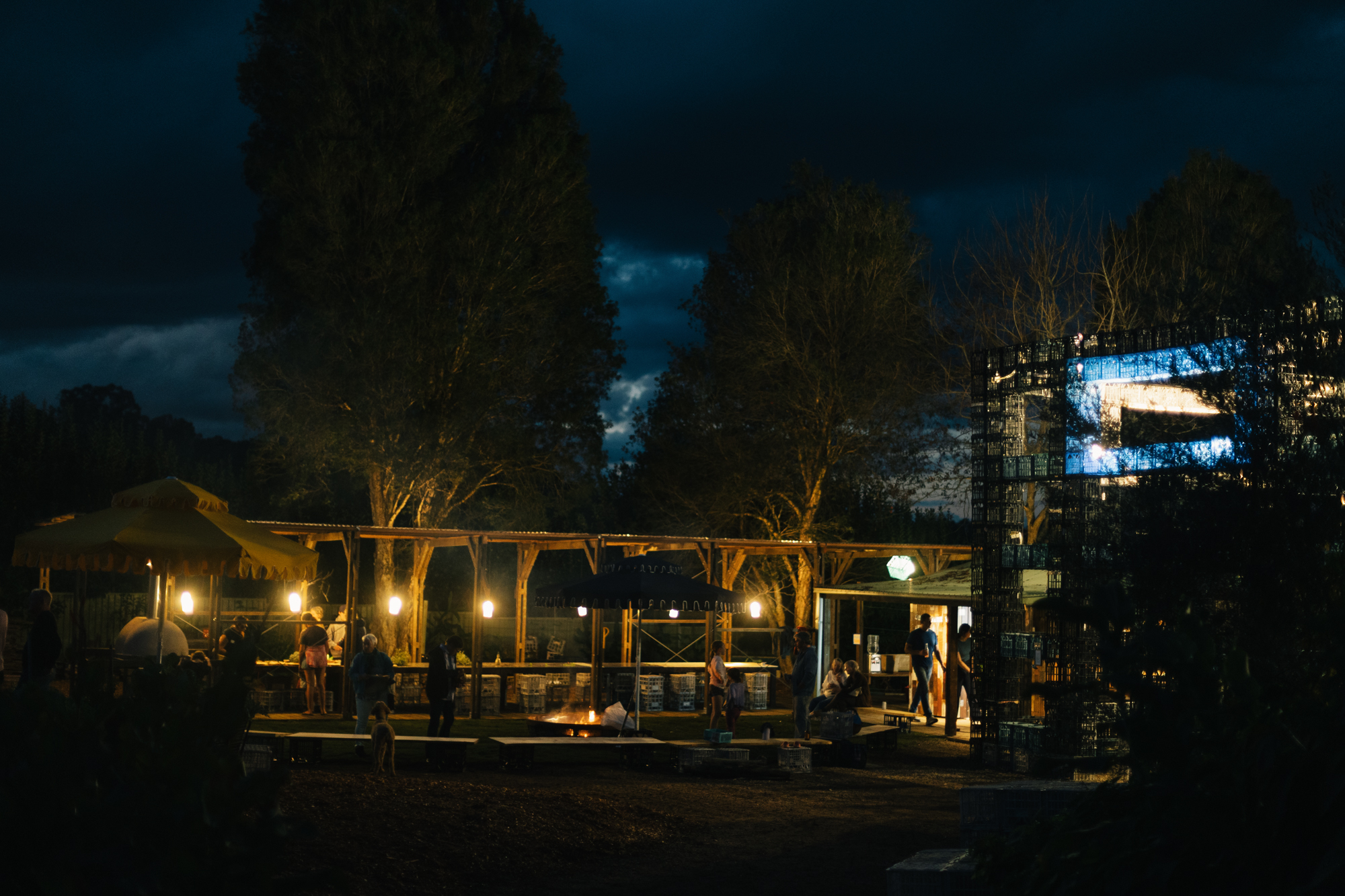
Since that day, pizza has become the easiest way into The Harvest.

People can arrive with something simple to do. Make a pizza. Walk the garden. Sit near the fire. Ask what is happening in the main building.

The garden keeps moving through work days.

Makers and growers are beginning to shape the first shop shelves.

Artists are looking at the unfinished rooms and asking what they can leave behind.

That change matters to the residency.

We began by asking how art might carry the timber, dairy and co-operative histories of this part of the Blackall Range without turning them into decoration.

The answer is becoming less like an object and more like a public rhythm.

A gate opens.

A table gets used.

A person leaves a mark.

Then the place changes again.
The structures are still unfinished.

Good.

There is room for the next person.
The same threads kept coming back

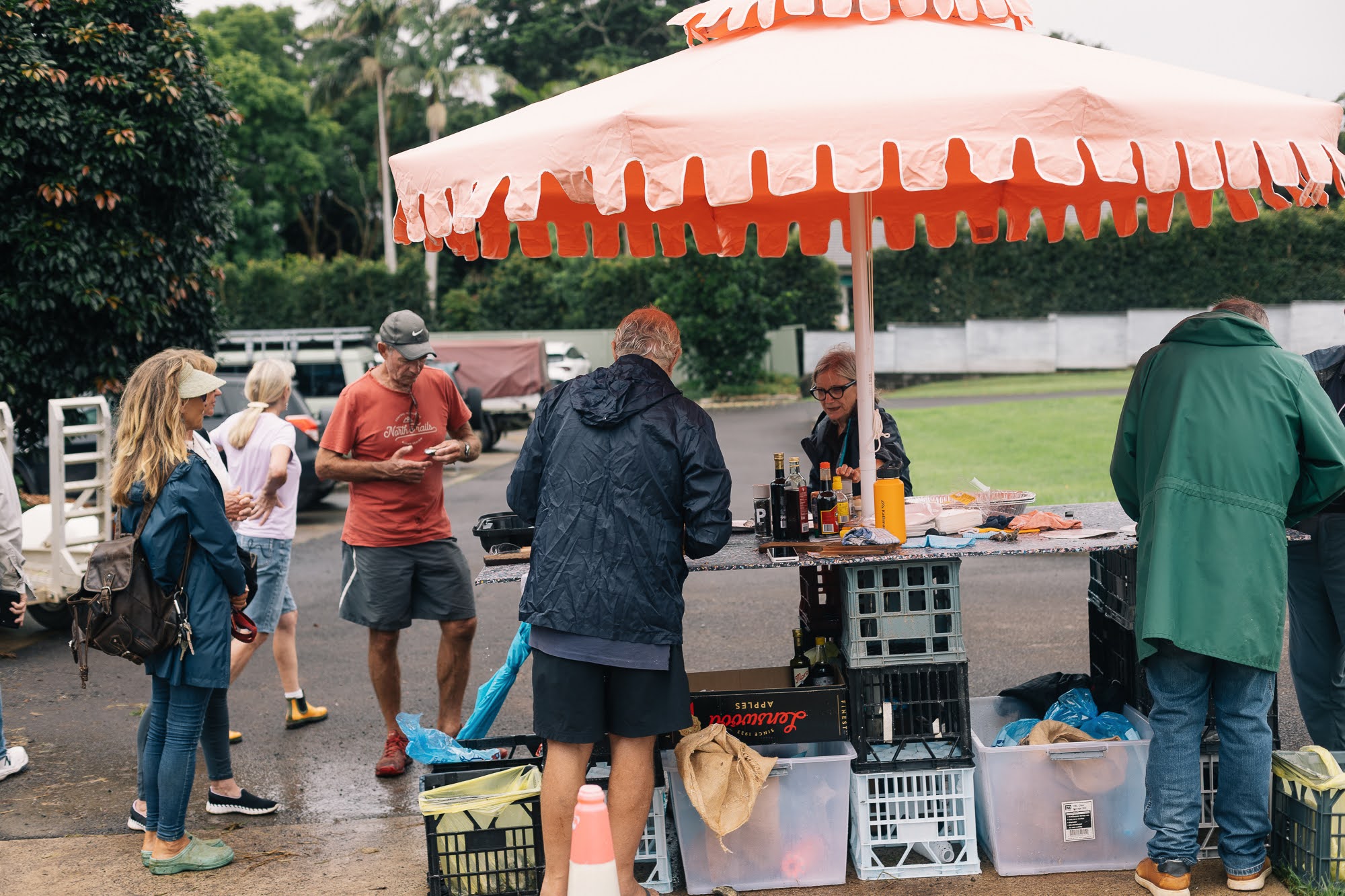
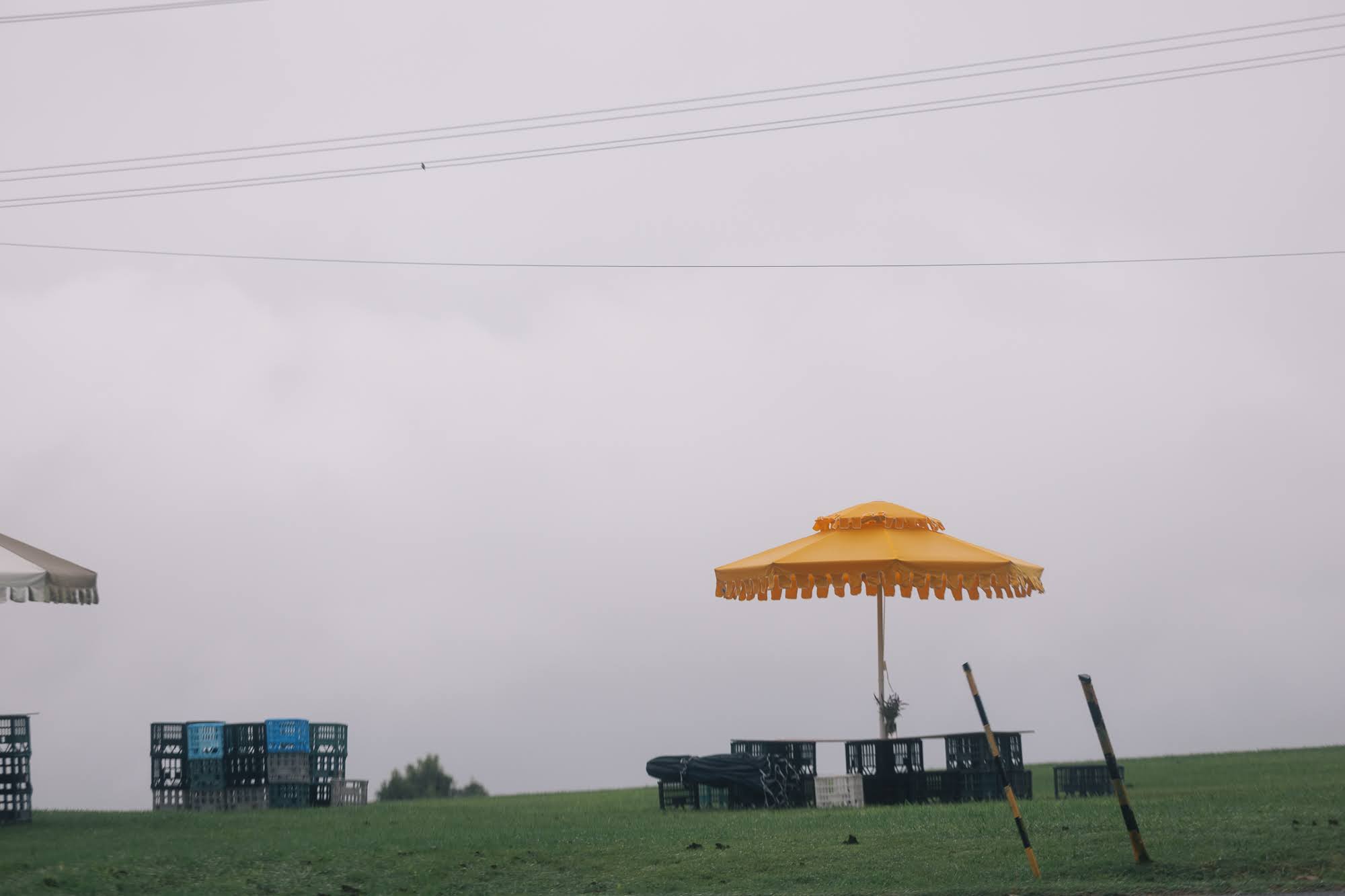
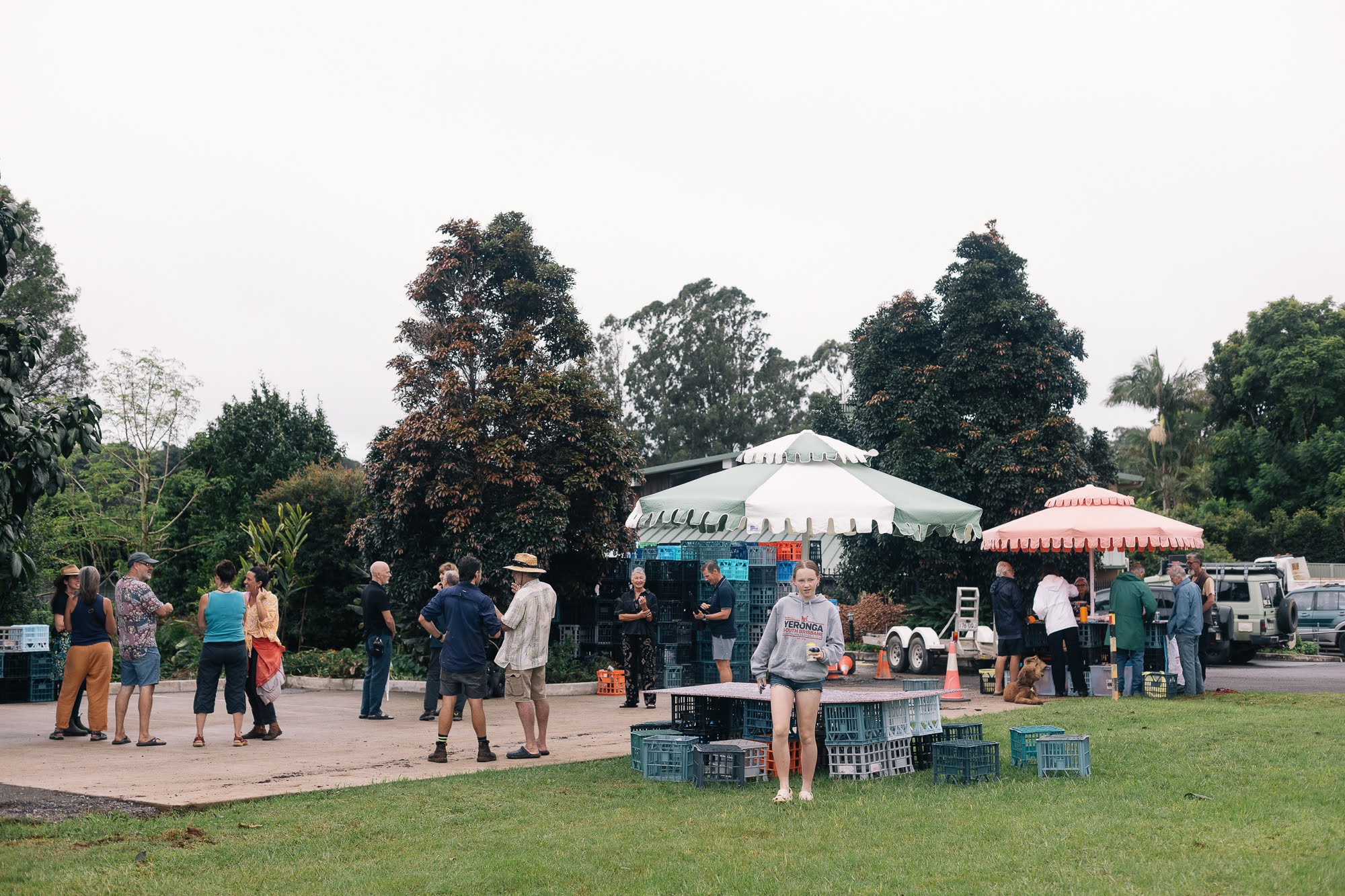
It rained.

Not light rain.
Steady. Cold. The kind that usually sends people home.

People came anyway.

We put the tables together in it.
Milk crates. Concreate. Hands moving fast.
Nothing precise. Just enough to hold.

We found a dry edge where we could.
Called it shelter.

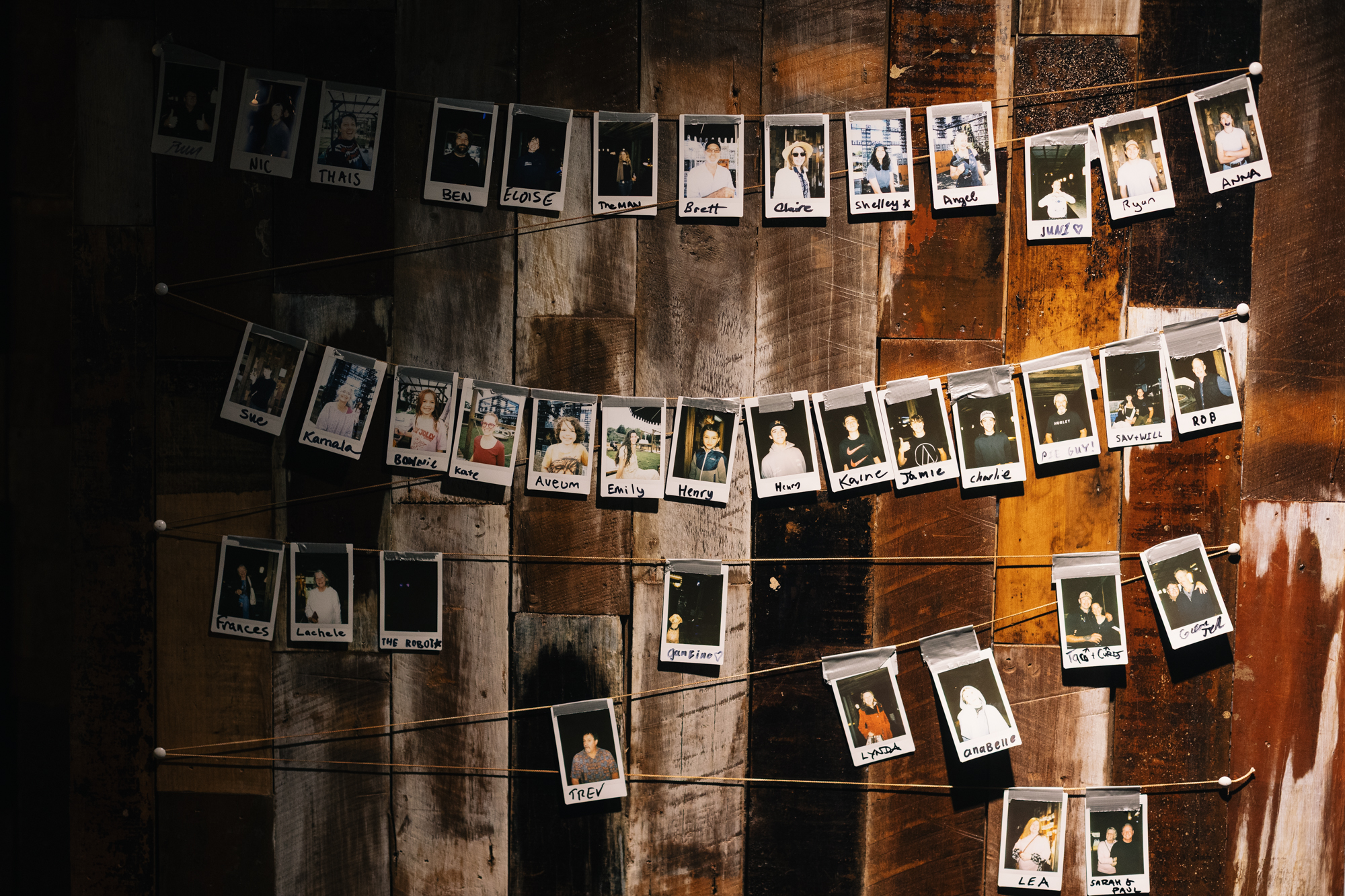
We set up a wall for photos.
Crates again. Wet. Slightly uneven.
People stood in front of it anyway.

We opened the oysters.

Cold hands. Knives slipping.
Shells piling up.

We passed them out as they came.

No line. No system.
Just people taking, talking, staying.

Everyone got soaked.

No one left.

Something shifted in that.

People started talking about the place.
What it was. What it could be.
Ideas came quickly. Not polished. Real.

You could feel it building.

Not the structure.
Something else.

The same threads kept coming back.

Timber.
Dairy.
Co-op.

Not as history on a wall.
As something still here.

We didn’t organise it.
We just listened.

That felt like the work.

Standing in the rain.
Holding the space open.
Letting people shape it.

By the end, nothing looked finished.

Tables wet. Ground cut up.
Crates shifting under weight.

But it held.

People stayed longer than they meant to.

That matters.

We’ll take what came out of that and keep going.

Pull it together slowly.

Make something that holds all of it.

The work, the history, the people.

Let it show.

Let it carry forward.

Let The Harvest grow into it.

Not clean. Not final.

Alive.

Milk crates. Timber. Stories.

We didn’t start with a plan.

We started with what was there.

Milk crates. Timber. Stories. People moving through.

Someone spoke about the dairy co-ops.
Someone else about the mills.
Barry filled in what we didn’t know.

So we stayed with that.

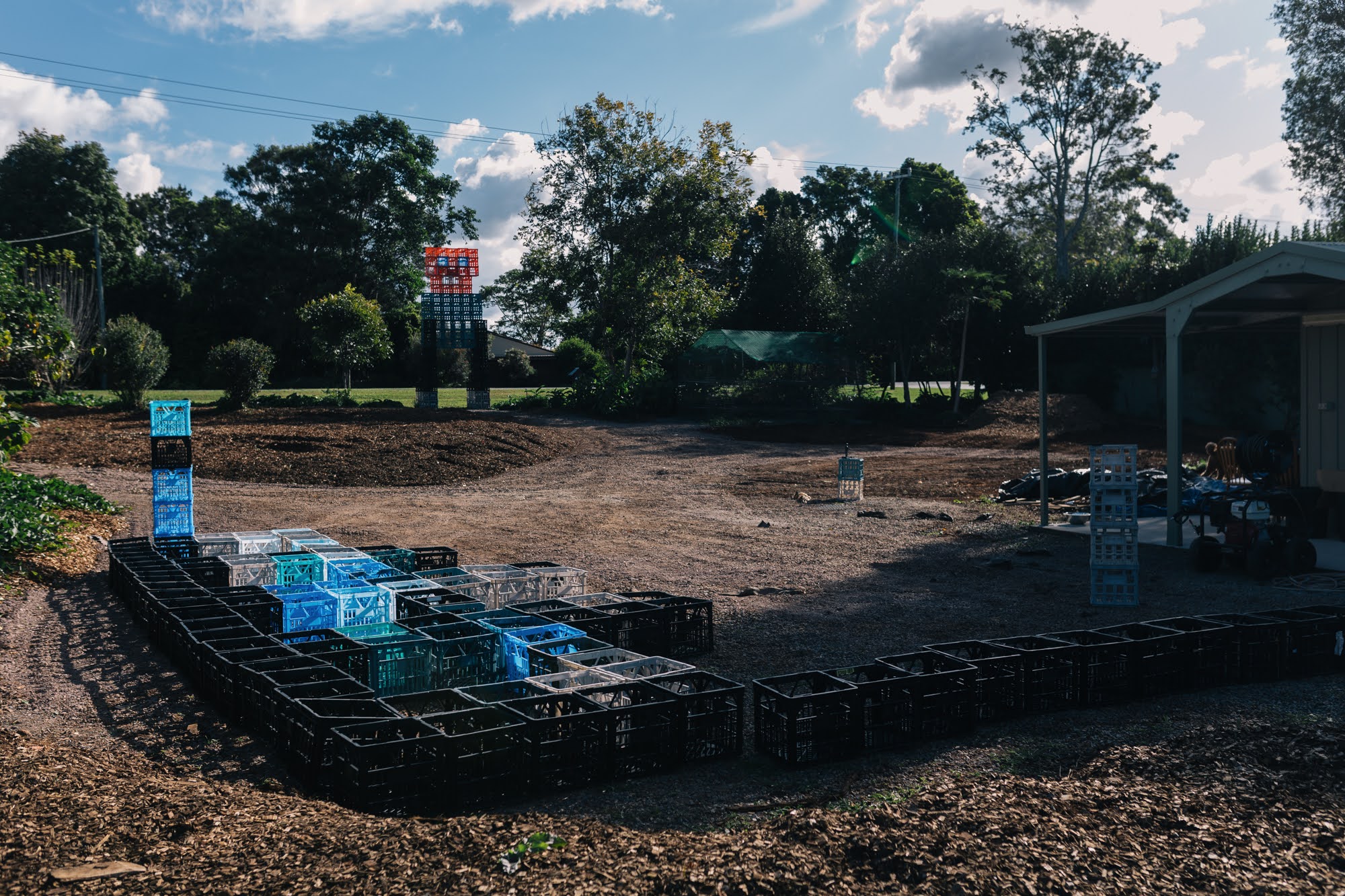
We stacked milk crates.
At first it was nothing. Just a shape building slowly.
Open enough to walk through.
Loose enough to stop and look.

It worked before it was finished.

Then it shifted.

We stopped building outward.
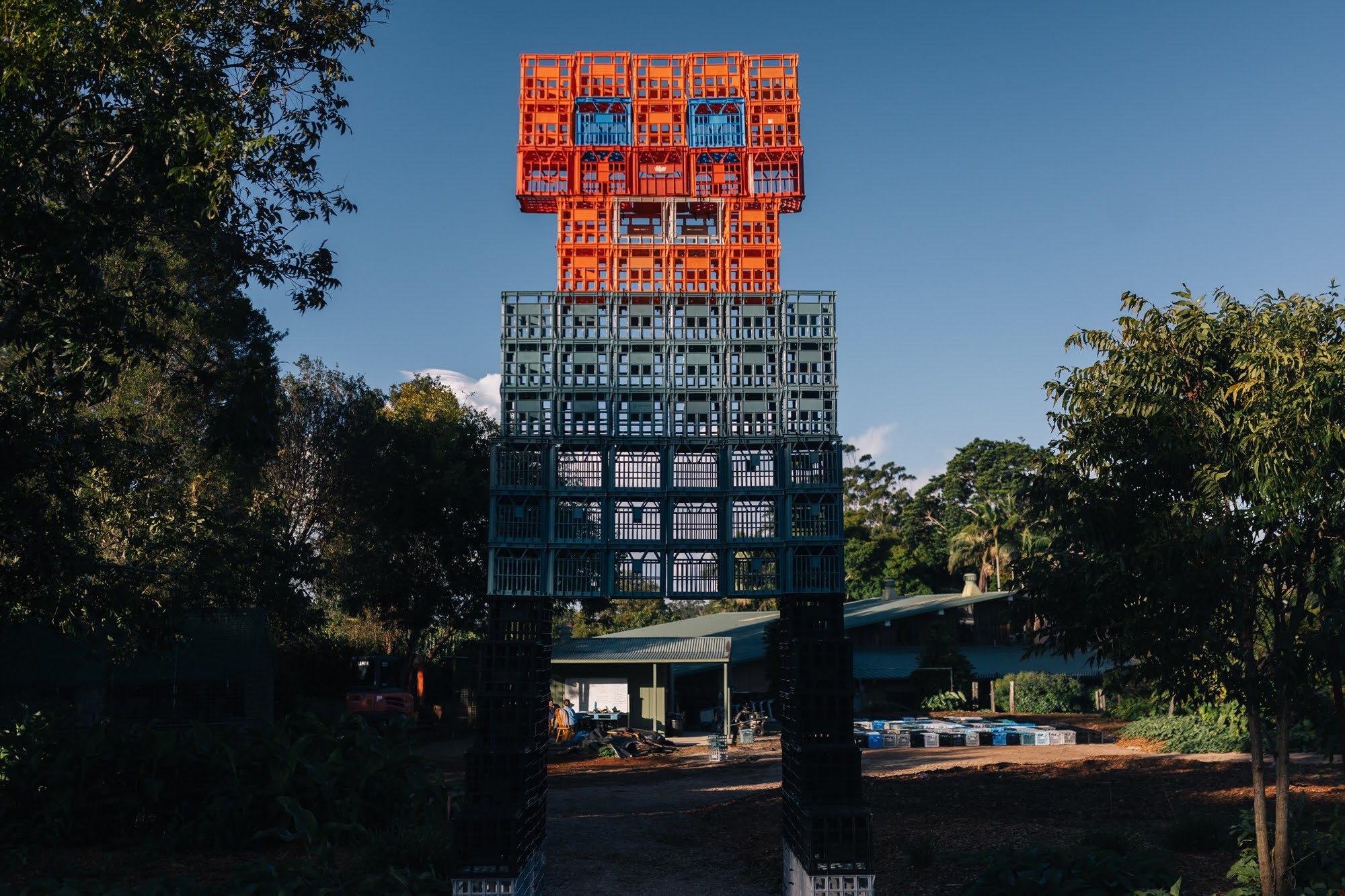
We made a figure.

Not quite human. Not quite structure.
Standing there. Slightly off.

People reacted straight away.
No one needed it explained.

Things started to happen around it.

Someone pulled weeds.
Someone used zip ties.
People talked without being asked.

No clear line between helping and being there.

You arrive. You’re already in it.

The timber came the same way.

Not clean. Not new.
Already carrying something.

Same with the crates.
Same with the stories.

We didn’t turn it into a display.

We just used it as it was.

That’s the method, if there is one.

Everything counts the same.

Structure. Food. Talk. People passing through.

Nothing fixed.

The crates come apart.
The timber moves on.
The figure won’t stay.

It changes how people step in.

Less distance.
Less waiting.

More movement.

We’re not building a finished place.

We’re testing something in public.

You can walk into it.
Change it.
Carry it out.

We’ll keep going.

Same approach.

Start with what’s there.
Leave it open.
Let it shift.

Recipient of Regional Arts Australia + ANAT Industry Residency 2026